Tag Archives: mindfulness

Where is the Love? The Moral Imperative in Educational Leadership

My favourite inquiry, “Where is the love?”, functions as a crucial cultural constant for any educational institution. This question moves beyond abstract definitions of vision and values to challenge leaders, educators, and subject specialists concerning the demonstrable, everyday expression of their core professional purpose. It seeks to ascertain how the profound dedication which drew professionals into education—specifically, the devotion to one’s academic discipline and the conviction regarding the empowerment of others—can be maintained visibly, systemically, and with resilience against the pressures of accountability and institutional change.

Given the forthcoming conclusion of the calendar year, the current juncture offers a significant opportunity for professional recalibration. This period traditionally encourages reflection, renewal, and the strengthening of community cohesion. Professionally, this orientation mirrors the precise requirements of effective educational governance: engaging in honest scrutiny of the inherent complexity of change, systematically enhancing both personal and collective capacity, and solidifying the relational bonds fundamental to the operation of educational institutions. The fundamental driver of institutional action, the moral purpose—the “love” that is sought—is the essential component that sustains the demanding trajectory of the academic cycle.

1. The Love for Subject: Transition from Content Delivery to Moral Purpose

The pedagogical foundation rests upon the teacher’s subject specialism. This professional attribute extends beyond mere academic competence; it constitutes the catalyst for the foundational rationale—the compelling imperative that drives professional engagement with curriculum design and methodological adoption. Absent this essential emotional connection, pedagogical activity risks becoming procedural, thereby reducing the curriculum to a perfunctory checklist of required topics.

Articulation and Coherence

A primary function of educational leadership involves assisting colleagues in elevating their practice from simple content delivery to the clear articulation of their moral purpose. This necessitates the establishment of a direct link between the intrinsic merit and utility of their academic discipline (be it the analytical rigour of Mathematics, the creative expression of Art, or the socio-historical context provided by History) and the demonstrable enhancement of pupil outcomes, cultural capital, and subsequent life opportunities. When a leader successfully aligns a teacher’s scholarly passion with this broader objective, a powerful and sustainable internal motivator is generated.

Within an environment governed by the new regulatory expectations of the Ofsted framework, which critically prioritises Curriculum Design and Implementation, the “love for subject” must translate into clear, high-quality coherence making. The professional commitment to enabling every pupil to access and thrive within that discipline is demonstrated by the clarity of the curriculum structure—specifically, what is taught, the rationale for its inclusion, and the methodology of its assessment. This structural clarity, spanning from Key Stage 3 sequencing through to Key Stage 5 mastery, represents the professional expression of institutional care. Compliance with the new statutory Relationships, Sex and Health Education (RSHE) guidance, for example, demands that leaders integrate sensitive material not as a matter of obligatory compliance, but as a genuine expansion of the curriculum’s commitment to pupil welfare and personal growth, equipping them with vital knowledge for adulthood. Consequently, the subject leader’s profound commitment must be evident in strategic, long-term planning, rather than being confined merely to the delivery of individual lessons.

2. The Love for People: Capacity Building, Recognition, and Empowerment

The second component of “love” is directed externally: towards the systematic empowerment of pupils and professional colleagues. This objective directly mandates the cultivation of a Culture of Collaboration and Shared Leadership, a framework which successfully elevates collective efficacy above individualistic endeavour. This communal strength assumes heightened significance during the demanding winter academic term.

Capacity Building and Recognition as Investment

The demonstration of regard for colleagues is synonymous with robust investment in their Capacity Building. In the context of substantial policy shifts—such as the new statutory linkage between Attendance and Safeguarding (as reinforced by KCSIE 2025 updates) or the heightened focus upon online risks such as disinformation and radicalisation—professional competence assumes an ethical dimension. A practitioner lacking the requisite preparation to address a complex safeguarding concern or to implement demanding sections of the statutory RSHE curriculum may find their professional motivation significantly undermined by the fear of procedural failure.

  • Love is Robust CPD: Authentic professional development does not constitute a superficial, isolated event. It aligns with the ‘Changing’ Stage in models of transformation, necessitating the sustained support, coaching, and resources required for educators to master new skills and embed new practices effectively. For leadership, this commitment is demonstrated by ensuring that training provision is comprehensive, appropriately differentiated by career stage and need, and focused specifically on practical implementation (the ‘how’), rather than merely initial theoretical awareness (the ‘what’). This provision must encompass protected time for collaborative planning and subject-specific peer review, thereby facilitating the sharing of expertise and the refinement of practice within a professionally secure environment.
  • Love is Praise: An integral facet of capacity building involves genuine praise and targeted recognition. This extends beyond generic commendation; it constitutes specific, constructive feedback that acknowledges the effort expended and the process of improvement, particularly when staff have successfully navigated the inherent complexity of a change initiative. By celebrating iterative professional progression—such as a successful curriculum modification, the judicious management of a pastoral challenge, or transparent communication delivered professionally—leaders affirm that they observe, value, and trust the professional judgement of their personnel. This focused recognition effectively fuels subsequent commitment.
  • Love is Transparency: When navigating the complex financial landscape—where the funding increase often obscures the challenge posed by grant consolidation into the core budget—Continuous and Transparent Communication is paramount. It represents a proactive act of trust that mitigates anxiety and counters unsubstantiated internal conjecture. Leaders must address staff concerns regarding resources and budget allocation in a forward-looking manner, thereby managing expectations and sustaining engagement despite the uncertainty inherent in the “messiness” of change. This requires communicating why specific budgetary decisions are executed and how they align demonstrably with the shared moral purpose, thereby ensuring personnel do not perceive decisions as arbitrary or concealed.

The Empowerment of Shared Responsibility

Shared leadership, which cultivates a collective sense of responsibility for both improvement and innovation, stands as the paramount expression of professional regard for colleagues. It acknowledges that expertise and problem-solving capabilities are distributed throughout departments and faculties, rather than being concentrated solely within the senior leadership echelon.

  • Love is Empowerment: Empowerment serves as the practical manifestation of institutional trust. It mandates the distribution of ownership for key improvement priorities, thereby granting subject leaders and teachers’ agency within their professional domain and affording them the voice required to influence strategic decision-making. This contrasts fundamentally with a management structure that merely delegates tasks. When a leader empowers a faculty head to pilot a novel pedagogical approach, they are unequivocally demonstrating faith in that individual’s professional acumen and their profound commitment to driving effective, distributed improvement across the entire organisation. This model supports a culture where initiative is rewarded and where professional setbacks are accurately reclassified as learning opportunities, thereby securing the systemic resilience of the institution.

3. The Love for the Journey: Commitment, Resilience, and the Relentless Cycle

The professional scope of the school leader, symbolically represented by the cyclical, demanding progression of Jacob’s Ladder, ( see Authentic Leader passim) necessitates the consistent demonstration of unreserved Commitment and Strategic Adaptability. The “love for the journey” is the resolute determination to maintain the trajectory, even when challenges appear daunting, and understanding that progress is often attained incrementally.

Commitment and Professional Integrity

Commitment functions as the internal driver of professional integrity. It represents the unwavering determination to honour the school’s moral purpose, particularly when external pressures threaten to divert critical resources or managerial attention.

  • Love is Sustained Commitment: Leaders demonstrate this commitment through their own sustained adherence to the strategic vision, ensuring that every policy decision and financial manoeuvre serves the central objective of pupil success. This involves managing the “descent”—the necessary engagement with complex compliance and financial realities (such as the detailed application of the new National Funding Formula (NFF) parameters, the management of Minimum Funding Guarantee (MFG) complexities, or the meticulous tracking required to avoid financial deductions)—without ever losing sight of the “ascent”—the moral purpose of upholding educational standards and fostering well-being. The resilient leader does not permit the technicalities of the descent to overshadow the human and educational imperative of the ascent.

The planned transition to a new, multi-dimensional Ofsted “report card” system exemplifies this resilience. By moving away from a high-stakes, single-word judgement, the framework actively encourages leaders to adopt a more nuanced, iterative approach to improvement. It requires the professional courage to undertake honest evaluation across potentially eleven areas and to continuously adjust strategy based upon rich, contextualised data, rather than being immobilised by the apprehension of a singular negative classification. This commitment to continuous, honest self-evaluation constitutes a fundamental expression of leadership integrity.

Iteration as Professional Integrity

To demonstrate adaptability and resilience is to formally acknowledge that change is frequently non-linear, as evidenced by the unforeseen variables encountered in practical change management models. The “love for the journey” necessitates the embrace of iteration: a willingness to derive lessons from experience, adjust strategies dynamically, and avoid rigid adherence to an initial plan when confronted by unexpected obstacles or policy fluctuations. This flexible, forward-thinking approach ensures that the primary focus remains fixed on the desired outcome—enhanced pupil attainment and professional flourishing—rather than on the institutional comfort of maintaining the status quo. Iteration, in this specific context, is the ongoing demonstration of professional integrity, confirming that the most effective leaders are those perpetually willing to refine their methodology based on real-world feedback and empirical data.

The Christmas Parallel: Reflection, Renewal, and Reaffirmation

The Christmas period represents a welcome procedural break, a communal occasion for rest and institutional re-centring. This recess should be conceptualised not merely as a pause, but as a defined moment to consciously exercise the Love for the Journey and the Love for People.

  • Reflection (The Descent): Parallel to personal reflection upon the preceding year, this is the designated time for professional leaders to undertake genuine, unpressured consideration of the process of change, extending beyond simple outcomes. Which unforeseen variables presented the greatest challenge? In which areas did collective capacity prove most susceptible to strain?
  • Renewal (Capacity Building): The essential benefit of the holiday period is the renewal of personal reserves—mental, emotional, and physical. Leaders who demonstrate regard for their staff ensure that this period is genuinely restorative, thereby cultivating the refreshed professional purpose necessary for navigating the challenges inherent in the spring term. This renewal constitutes the ultimate practice of professional sustainability and self-care.
  • Reaffirmation (Moral Purpose): Finally, the seasonal focus on goodwill and community provides an unparalleled opportunity for the formal reaffirmation of the moral purpose guiding the institution. It is a chance to articulate institutional gratitude and communicate the term’s successes, irrespective of their scale, reinforcing the communal bonds and reminding every colleague—from the newest practitioner to the most senior leader—of the profound significance of their sustained professional dedication.

Reflective Planning Framework for Aspiring Leaders

Integrating Professional Commitment and Ethos

This framework offers aspiring leaders a structured tool for personal and professional development, focusing on the active application of the moral imperative—the “love” in leadership—across four critical domains. It is designed to bridge the gap between aspirational ethos and demonstrable professional behaviour.

Leadership DomainDefinition & Link to “The Love”Reflection Questions (Current Practice)Development Action (Moving Forward)
1. Elevate IntentionalityRelates to: The Love for Subject (Moral Purpose and Coherence). Intentionality ensures that every action, decision, and communication directly serves the articulated moral purpose, preventing professional activity from becoming merely procedural compliance. It is the commitment to Clarity and Strategic Planning.How often are strategic decisions (e.g., resource allocation, timetable adjustments) explicitly linked back to the core moral purpose or the strategic vision? In my current role, how effectively do I communicate the rationale behind a change initiative, rather than simply the instruction for its implementation?A. Develop a “Purpose-Driven Decision Protocol”: Before initiating any project, formally document the anticipated impact on pupil outcomes and staff capacity.

B. Practice “Visible Thinking”: In meetings, articulate the ‘Why’ before the ‘What’ to demonstrate purposeful leadership and subject coherence.
2. Combat ComplacencyRelates to: The Love for the Journey (Resilience and Iteration). Complacency is the antithesis of professional integrity. Combatting it requires embracing the “messiness” of change, seeking continuous feedback, and maintaining the intellectual honesty needed for self-evaluation.In which areas of my current responsibility have I resisted feedback, or where is practice maintained purely because “that is how it has always been done”? How frequently do I solicit critical feedback on my own leadership style and decision-making process (managing the “descent”)?A. Implement a 360-Degree Feedback Cycle specifically on “Adaptability to Change” and “Transparency of Communication.”

B. Dedicate 30 minutes weekly to review a failed or challenging professional episode, documenting the lessons learned and identifying the necessary strategic iteration.
3. Champion GrowthRelates to: The Love for People (Capacity Building and Empowerment). Championing growth moves beyond providing mandatory training (CPD) to actively seeking out and facilitating opportunities for colleagues to develop agency and expand their professional scope.Who, beyond my immediate team, have I proactively identified and mentored to take on new responsibilities (Empowerment)? How specific and constructive is the Praise and Recognition I provide? Is it tied to observed professional growth or merely to final successful outcomes?A. Institute a “Distributed Leadership Project”: Identify one colleague per term to lead a minor improvement project entirely autonomously, providing resources but not micro-managing.

B. Adopt “Evidence-Based Recognition”: Ensure all commendations explicitly reference the effort, skill acquisition, or specific behavioural change demonstrated, thereby reinforcing the value of the growth process.
4. Inspire Deeper ConnectionsRelates to: The Love for People (Shared Leadership and Transparency). This domain focuses on building the social and relational capital necessary for collective efficacy and institutional resilience, particularly through open, trusting communication.When addressing complexity (e.g., budget constraints or high-stakes accountability), do I foster anxiety or confidence? How well do I utilise formal and informal opportunities to communicate gratitude and reinforce the value of shared purpose (Reaffirmation)?A. Develop a “Communication Charter”: Commit to communicating critical strategic updates proactively, even when full details are unavailable, to sustain Transparency and mitigate conjecture.

B. Lead a “Moral Purpose Dialogue” session within the team in the new year, requiring all members to articulate how their individual passion contributes to the collective mission.

The successful transition to senior leadership is not predicated solely on technical competence, but upon the demonstrable and consistent application of the moral purpose. By intentionally working to Elevate Intentionality, Combat Complacency, Champion Growth, and Inspire Deeper Connections, aspiring leaders actively embody the professional love that is essential for navigating complexity and ensuring the enduring health and efficacy of the educational institution.

So, before the many mince pies, carols sang off key and the usual end of the term shenanigans, this is me signing off until 2026. Thank you for reading, commenting, liking and suggesting – via blog, message or in person. It is all appreciated. And so are you. May your Christmas dreams come true.

Tagged , , ,

The Authentic Leader’s Playbook: Learning from The Devil in the Details

If you were to hire a consultant to design the perfect villain for humanity, they would eventually invent Satan. His journey from a minor celestial bureaucrat to the Prince of Darkness is history’s most successful case study in what Steven Pinker calls “Common Knowledge.”

Pinker argues that social coordination requires a recursive state of awareness: I know X, you know X, and we both know that the other knows X. This public certainty is the “lubricant” for collective action. By viewing the history of Satan through this lens, we can extract profound and practical lessons on influence, communication, and the mechanics of social organisation that are essential for any authentic leader.

I. Strategic Lessons for the Authentic Leader

The evolution of the Devil is a masterclass in how to manage narrative, drive coordination, and ethically frame challenges. An authentic leader should apply these four principles:

1. Differentiate Shared Knowledge from Common Knowledge

The distinction between the Devil’s original version (ha-Satan) and his iconic rebrand (Lucifer) is Pinker’s critical lever.

• Shared Knowledge (Private Belief): Everyone knows the organisational values (they read the memo), but they do not know if their peers actually buy in. This leads to private scepticism and low engagement.

• Common Knowledge (Public Certainty): The leader must create situations where “everyone knows that everyone knows” the values and goals are real and non-negotiable. This is achieved through public signals (visible recognition, transparent decision-making, and consistent enforcement), which creates the binding awareness necessary for collective, coordinated action.

2. Frame Your Narrative Simply

The original ha-Satan was too nuanced—a cosmic judge and jury in the cupboard. This is the risk of an overly complex, internal-facing mission statement.

• Simplicity Scales: The successful Lucifer was simple: Prideful Rebel = Source of All Evil. Authentic leaders must distil their complex vision into a clear, concrete, and sticky message that can be effortlessly repeated and understood across all levels of the organisation. An authentic leader’s personal values are only as powerful as the shared, simple story the team tells about them.

3. Ethically Externalise the “Enemy”

The Devil’s success was as an externalised scapegoat that unified humanity. A leader must engage with the ethics of this strategy.

• Unify Against Problems, Not People: The leader’s equivalent of “Satan” should not be an internal department, a rival team member, or even a competitor. It must be an abstract, concrete, and shared problem—things like inefficiency, market stagnation, or lack of innovation. By unifying the team against a specific, externalised process or problem, the leader provides a powerful rallying point that fosters internal cohesion and reduces the risk of destructive in-fighting.

4. Understand the Endurance of Symbols

The modern use of Satan by non-theistic groups demonstrates the durability of a powerful symbol, even when the original belief is gone.

• Symbols Outlive Facts: The authentic leader must recognise that their actions, symbols, and core principles will resonate long after they are gone. A genuine commitment to principles like rebellion against arbitrary authority (the Miltonian Lucifer) can be leveraged by future generations. Authenticity—the consistent alignment of stated values and public actions—is the only way to ensure the legacy of the symbol remains positive.

II. The Core Mechanism: From Bureaucrat to Brand

To understand these lessons, we must first look at the theological necessity that drove the Devil’s rebranding.

The Bureaucrat vs. The Brand: The Existential Rebranding

In the Hebrew Bible, the entity known as ha-Satan (the Bureaucrat) was too nuanced to spark a mass movement. In Pinker’s terms, this version of Satan created “Shared Knowledge” (people privately knew suffering existed) but failed to establish “Common Knowledge.”

This created an Existential Problem for the emerging Christian Monotheism: If God is all-powerful and all-good, and ha-Satan is his employee, then God is directly responsible for all evil and testing. This is difficult to market to a population facing famine and plague. The Church needed an escape clause for divine responsibility.

The Great Rebranding: A Cognitive Cascade

The solution was the transition to Lucifer, the Fallen Angel. The Hebrew helel (shining one)—a poetic jab at the pompous King of Babylon in Isaiah 14:12—was translated into the Latin Lucifer. This “cosmic typo” became the spark.

This narrative was sticky. It moved the concept of evil from the abstract (a philosophical problem) to the concrete (a specific guy named Lucifer who hates you). This created the necessary Common Knowledge for a dualistic worldview: everyone knew that everyone else knew that the Devil was real and the sole source of temptation, suffering, and disorder. This externalisation preserved God’s goodness while providing a tangible enemy.

III. The Cognitive Lever of Hell: Standardising the Enemy

With the “Lucifer” archetype established, the machinery of Common Knowledge kicked into high gear during the Middle Ages.

• Visual Lexicon: By standardising the image of Satan—horns, hooves, eternal fire, often borrowing from pagan gods—the Church created a universal signal. This visual language, reinforced across cathedral art and morality plays, meant a peasant in France saw the same monster as a theologian in Rome.

• Aural Enforcement: Public rituals like the Exorcism Rite and the Sermon transformed private fear (Shared Knowledge) into public, undeniable fact (Common Knowledge).

This shared certainty coordinated social behaviour with terrifying efficiency. The use of the Devil as a scapegoat provided the “plausible deniability” Pinker describes, but it also became a Common Knowledge multiplier: the accusation that a rival was “in league with the Devil” was instantly plausible because everyone knew that everyone knew the Devil was actively seeking agents. This justified and accelerated witch trials and inquisitions, turning a theological concept into a machine for social compliance and political purges.

The Devil, it turns out, is in the recursive details. We built a hell of our own design, not necessarily out of fire and brimstone, but out of the powerful, binding belief that everyone else sees the same monster we do.

For the authentic leader, the ultimate takeaway is that effective influence is not just about sharing a vision; it is about creating a self-reinforcing, public reality where the team’s goals, and the problems standing in their way, are the unquestioned Common Knowledge.

Tagged , , ,

The Authentic School Leader’s Communication Conundrum: “Shaka, When the Walls Fell”

The modern school leader’s kryptonite isn’t budget strategy or curriculum mapping—it’s the calendar. Specifically, knowing when to hit “Send” and when to call an “All-Staff Meeting.” For authentic leaders, this is less about simple task management and more about an act of curation—an intentional choice rooted in respect, transparency, and intentionality. The authentic leader understands that every communication channel choice sends a message about how they value their team’s time and talent.

The core challenge is this: how do you foster the kind of deep, exceptional connection that emerges in synchronous conversation, while ruthlessly protecting the finite attention of your team from unnecessary interruptions? The answer lies in understanding the decoded metaphor of the leader’s door.

Tangent Alley

Arguments about what is the best Star Trek episode can get heated and go on late into the night – I should know, I’ve been there. Moreover, I can be easily swayed. “The City on the Edge of Forever?” “The Inner Light?” “Mirror Mirror?” “Yesterday’s Enterprise?” Yes, yes, yes! They’re all the best episode. But when it comes time to discuss what is the most profound episode, I think I have a clear pick.

Darmok,” from The Next Generation‘s fifth season, edges out some of the competition (like TOS’ fiercely pacifist “Day of the Dove” or “A Taste of Armageddon”) with its odd specificity. In other words, a message about the futility of war isn’t something you’ll only get from Trek. But “Darmok”’s story about a group or an individual so determined to communicate with others that they are willing to sacrifice themselves to make that contact – that’s something more unusual, even if it isn’t any less universal.

“Darmok,” of course, is the episode where a Tamarian (also known as the Children of Tama) named Dathon realises that great risks must be taken if his people are ever going to reach outside their own clan. Because of their unique fashion of speech which used metaphoric descriptions based on their own mythology, the universal translator is unable to make the usual connections. We’ll eventually realize that “Shaka, when the walls fell” means “failure,” but with no reference to Shaka (or his wall-falling misfortune) the UT program is unable to do so.

 It is a metaphor, referencing a story from the Tamarian culture where a hero named Shaka fails to save his people from a disaster. The phrase is used to express a situation of disappointment, defeat, or a complete breakdown. 

Same as it ever was. Disappointing communication is key; deciding what is actually important, almost impossible at times, and coaching those around us into understanding this is sometimes the hardest road we travel as leaders.

I often recognise that there is a vital difference between an email and a meeting. So, here, I make an attempt to define and explain both, although, if you are short on time, a meeting should have biscuits.

I. The Cost of Synchronicity: Respect for Time

Authentic leaders recognise that a colleague’s attention is the single most valuable, finite asset they control. Wasting it is a breach of trust. This dictates the core difference between the choices:

The Email Choice (Low Cost: Information Ledger)

  • Purpose: Information transmission, formal decisions, final agreements, or critical instructions. Email is the foundation of institutional memory and operational compliance.
  • Value: It demonstrates profound respect for individual productivity, allowing staff to absorb information asynchronously—when it fits their deep-focus work. Crucially, it creates a permanent, searchable ledger that prevents future confusion or “misremembering” and underpins accountability.
  • The School Leader’s Dilemma (The Failure): Despite its utility for clarity, the email choice can often be bypassed or ignored by overwhelmed staff, leading to compliance risks or, in the micro-sense, staff hearing vital information second-hand—like OFSTED changes on Radio 2—or the embarrassing question, “Could I remind them of an email I sent two days ago, because they had forgotten?” It’s a failure of information absorption and procedural compliance, a tragedy where clarity and accountability are missed: “Shaka, when the walls fell” (signifying failure or great defeat). The lesson here is that effective leadership requires both sending and ensuring the receipt and retention of critical information.

The Meeting Choice (High Cost, High Value: Collective Cognition)

  • Purpose: When simultaneous, immediate, and iterative input is required. Calling a meeting is an implicit contract: the value gained from synchronous discussion must outweigh the cost of everyone’s time. It’s essential for high-value tasks like brainstorming, rapid ideation, or complex problem-solving where non-linear discussion is beneficial.
  • The School Leader’s Value (The Triumph): As experienced in the last two weeks—13 meetings about KS3 data and Y11 mock results that could not have been an email—the synchronous discussion fosters shared ownership and reveals the outstanding, unique, or exceptional qualities of a colleague. The real value is the serendipity of spontaneous contribution; the quick, essential debate that occurs in the moment and moves the entire group forward in ways a static email thread never could.

II. Trust, Tone, and the Non-Verbal Code

When the subject is sensitive, potentially emotional, or nuanced—like strategic shifts, conflict resolution, or delivering bad news—email is a terrible vessel for tone. It strips away context, allowing the reader’s mood to dictate interpretation. A face-to-face setting allows a leader to convey empathy, read non-verbal cues (the slumped shoulder, the furrowed brow), and ensure the message is received authentically—not misinterpreted through cold text.

This is where the Tamarian idioms perfectly explain the decoded metaphor of the school leader’s door, which is often a portal to either genuine collaboration or tragic distraction:

The choice of communication channel aligns directly with the value being sought:

  1. The Official Invite (Meeting) signifies a High-Value, High-Cost conversation. This is the forum for genuine input, immediate feedback, and emotional nuance—a requirement for collective problem-solving where a joint effort overcomes an obstacle. The successful execution of such a meeting is captured by the idiom “Darmok and Jalad at Tanagra,” meaning Cooperation through a shared challenge. These intentional conversations are the source of shared stories, building the relational capital required for true connection and future trust.
  2. The Pop-in (Unintentional Asynchronicity) represents a Low-Value Interruption and is the unfortunate symptom of a lack of process or the failure to utilize the low-cost, documenting power of email for clear communication. It forces an interruption for information that should have been self-serve, ultimately showing a lack of operational discipline and respect for the leader’s focused time. The result is the tragedy of missed information and collapsed attention: “Shaka, when the walls fell,” signifying Failure, tragedy, or great defeat. This is the moment a system—or an individual’s attention—is confirmed to have collapsed due to preventable miscommunication.

For authentic school leaders, the choice isn’t transactional; it’s an act of curation of both attention and culture. By intentionally choosing the right channel, the leader moves beyond simply communicating to actively enabling their team to work together effectively, with mutual respect, and focused on tasks that truly matter.

Tagged , , , , ,

The Pit and the Pendulum:  Turning Self-Awareness into Growth

Once upon a midnight dreary, while I pondered, weak and weary…

I sometimes have the huge capacity to get in my own way; we all have the capacity for self-sabotage; by using the mantra, the commitment to elevate intentionality, combat complacency, champion growth, and inspire deeper connections, I might have a way forward for me and possibly for you. Who knows?

The first half-term ended with some health matters, which was not the glorious conclusion that I was planning. Being open with you as well, it really played to my own anxiety of not being there at the point where everyone needs the help, or at least, as many boots on the ground, as possible. Guilt being the cement boots that drag us all down to the river bed.

Time away has allowed me to reflect; reflection creates a plan and this is what I feel that I have assessed about myself as a leader and how I will attempt to do better.

1. Running over people’s input because I’ve already decided the answer

The Problem: I ask for opinions constantly. In the main, I do it to challenge leaders at all levels about assumptions and hope it strengthens how they may well approach the situation. In my mind, it is about owning the issue, whatever it may be, and not having me or another ‘sage like’ leader deciding they don’t necessarily believe in and then have someone else to blame if things don’t go according to plan. I do recognise that sometimes I’m waiting for someone to validate my conclusions. I mentally catalogue why differing perspectives are “wrong” and explain why my logic is better. What I don’t want is any member of my team to stop bringing ideas.

The Action I Need to Take (Elevate Intentionality / Combat Complacency):

  • What specific steps will I take to truly listen before responding?
    • I will adopt the “2-second rule”: After someone finishes speaking, I will wait a full two seconds before I open my mouth. This prevents me from forming my rebuttal while they are still talking.
    • I will make the practice of restating: “So, what I hear you saying is [summarise their point]. Did I get that right?” before sharing my own perspective.
  • How will I track my own speaking time vs. listening time in the next meeting?
    • I will use a simple tally sheet or an app on my phone to track how many times I interrupt or dominate the discussion (aiming for less than 25% of the total time). I will reflect, learn and hopefully grow.

2. Treating emotions like malfunctions that slow down progress

The Problem: If someone is upset, sometimes my instinct is to use logic to explain why their feelings are based on a misunderstanding of the facts. Dismissing how people feel teaches my team that I don’t care about the human cost of my decisions. They may well call my “objectivity” cold. They might not tell me to my face, possibly because I will use logic to tell them they are wrong. No-one wants Spock when the dog has passed away.

The Action I Need to Take (Inspire Deeper Connections):

  • Instead of explaining, what is one validating phrase I can use next time someone shares a tough emotion?
    • “That sounds incredibly frustrating, and I can see why you feel that way. Thank you for bringing the human context into this.” (This prioritises empathy before problem-solving.)
  • How will I explicitly factor in the human impact of my next major decision?
    • I will add a mandatory final bullet point to my decision-making checklist: People Impact & Mitigation. I will list who will be most affected by the change and what resources (time, emotional support, training) I will dedicate to helping them adapt.

3. Confusing brutal honesty with leadership courage

The Problem: I pride myself on “telling people exactly what they need to hear,” but my directness can land like contempt. When I point out a mistake, I’m diminishing them instead of helping them improve. The cost of my efficiency is their confidence. My efficiency is long established; their professional growth must be paramount.

The Action I Need to Take (Champion Growth):

  • How can I reframe critical feedback to focus on the desired future state (growth) instead of the past mistake?
    • I will shift the language from: “The report was messy and late,” to: “I have high expectations for you. For our next deliverable, let’s focus specifically on a structure that allows for X impact and ensures we hit the deadline. What support do you need to achieve that?”
  • Who can I ask for feedback on the tone I use during these conversations?
    • I will ask my direct supervisor or a peer mentor to role-play a difficult coaching conversation with me, specifically asking them to critique my body language and vocal tone (not just my words). I spent 5 years as Head of Drama in the dim and distance; I do this so often, but I feel not as often as I should. The strike through is for anyone who might use this advice to grow themselves.

4. Moving so fast through my own certainty that I create silent resistance

The Problem: I see the path clearly and execute quickly. Anyone who needs more explanation feels like dead weight. Speed without alignment is just me charging ahead while my teams drag their feet. They are unconvinced, but they’ve learned questioning me is pointless.

The Action I Need to Take (Elevate Intentionality / Combat Complacency):

  • What is the critical point in the next project where I need to pause specifically for an alignment check?
    • Immediately after the kick off of a meeting and before the team begins executing tasks. I will schedule a separate, 30-minute “Challenge Session” focused only on identifying risks.
  • What are two specific questions I can ask to surface quiet concerns without inviting a debate?
    • “If this project failed, what would be the number one reason, and who here quietly suspects it?” Failure criteria is something I have tried before, and ironically, failed in establishing; I keep coming back to it, because I think it can work. Ask yourself, what is the ‘minimum failure cost’ of this project?
    • “If you had to put a bet on a hidden obstacle, where would you place your money?”

5. Doubling down on bad decisions because admitting mistakes feels like losing

The Problem: I have strong convictions, and changing my mind can feel like weakness. My refusal to acknowledge mistakes has the capacity to destroy my credibility.

The Action I Need to Take (Champion Growth / Inspire Deeper Connections):

  • What is one recent failure I can now openly own with my team this week?
    • I will choose a small, low-stakes decision from the last quarter where I stubbornly proceeded despite early warning signs. In our next meeting, I will say: “I want to circle back to [Specific Project]. I overlooked [Specific Data Point] because I was too committed to my initial idea. I was wrong, and I apologise. The takeaway for all of us is to always prioritise evidence over conviction.”
  • How can I make “What did we learn?” the first question in our next project retrospective, rather than “What went wrong?”
    • I will institute a “Lessons Learned Log” where, instead of assigning blame, every item must be formatted as: “As a result of X, we now understand Y.” I will personally contribute the first entry to model the behaviour.

Quoth The Raven Leader:

As you emerge from the terrible “pit” of self-doubt and anxious isolation, having survived the terrifying “pendulum” of your past habits, remember this truth: The most chilling horror is not the fear of the unknown, but the terror of the unexamined self.

You have peered into the abyss and catalogued the demons that held you captive—the instinct to logically dismiss emotion, the pride of brutal honesty, and the refusal to admit a mistake. By charting your path with the clear intentionality of the “2-second rule”, the empathy of “People Impact & Mitigation”, and the courage to say, “I was wrong, and I apologise”, you have seized control of the narrative.

Let the final dread be of the leader you might have been—and embrace the brighter, more connected leadership you are now determined to forge. Nevermore shall you allow the old patterns to return.

Happy Halloween.

Tagged , , , , , , ,

The Moral Imperative: Cultivating Authentic Professional Growth in Teaching

I know I have been quiet. It means I have been noisy elsewhere. For me, this blog is a therapy; an expression of the soul of what I am doing. For those that read this and know me, this is a peek behind the curtain. For everyone else, I hope that this might offer an inspiration.

Professional growth must not be a managerial, tick box exercise. We are teachers; we are in a graduate profession. We must feed and grow ourselves to achieve something.

Professional growth in education is more than a required administrative process; it is, fundamentally, a commitment to moral purpose. For teachers, authentic development is the engine that drives student success and shapes the next generation. This journey requires intentionality, a refusal to stand still, a dedication to supporting colleagues, and a relentless focus on the human connections that underpin great teaching.


The Foundation of Authenticity

Authentic professional growth begins with deep reflection. It is the starting point of a meaningful, impactful conversation with a coach, transforming an administrative task into a deeply personal framework. Teachers are encouraged to view their development not as a mere checklist, but as an opportunity to align their individual ambitions with their professional journey. This requires honesty about practice, a willingness to receive peer feedback, and a commitment to modelling high standards for both students and colleagues alike. This developmental process is deliberately designed to help colleagues align their current role and goals with potential career progression, identifying the stepping stones toward roles like a Middle Leader or a Trust Development Team member; in short, influence the whole, not just the corner you are in.


Elevating Intention and Combating Complacency

A growth plan achieves its potential when it blends individual ambition with collective purpose. Every professional goal should directly connect to the school’s or Trust’s strategic mission, such as creating a community of empowered citizens. For teachers, this means constantly articulating and evidencing curriculum intent, implementation, and impact. This proactive approach actively combats complacency by upholding the notion that “It’s not enough to beat the odds, we must change the odds.” Intention is refined by applying high-level standards to daily practice; for example, Upper Pay Scale (UPS) Teachers are expected to actively lead and mentor colleagues, championing innovation and contributing to whole-school improvement. Even leadership targets are framed as leading initiatives that promote key qualities like sustainability or citizenship, ensuring personal growth directly serves the wider educational vision. This commitment to continuous improvement is further evidenced by using data-informed self-evaluation—turning academic data into actionable insights to refine teaching—and engaging in curriculum deep dives to ensure professional mastery and clear articulation of curriculum impact.


Championing Growth and Inspiring Deeper Connections

Sustained growth is institutionalised through supportive structures, promoting a culture where experience is shared and expertise is cultivated. Growth is championed by implementing formal structures, such as designing and leading a coaching programme for middle leaders, and actively identifying and mentoring future UPS candidates. Furthermore, UPS teachers are explicitly tasked with leading Continuous Professional Development, coaching colleagues, and setting the tone for a culture of high expectations and equity. This is a critical move from simply growing to generating growth in others. Professional growth is inherently a collaborative endeavour, which supports the wider goal of fostering citizens with agency by prioritising inter-staff collaboration. Teachers are expected to show unity, co-plan, and support faculty-wide standardisation by sharing good practice and participating in marking moderation for professional development. Colleagues are also expected to Live the Culture and Lead the Culture by taking initiative in shaping routines and upholding professional standards, as outlined in the principles of ‘The Mirror’. Finally, inspiring deeper connections means that targets must extend beyond the classroom into the real world, including developing partnerships with local businesses to enhance careers education and leading cross-curricular projects that promote global citizenship, while also fostering positive relationships with students and encouraging positive parental engagement.

Uploads of documents used over the past few days will be available to download.

I hope to not be silent for a few weeks, but we are in the midst of the longest term and the hardest work. Authenticity occasionally means going the extra mile and not seeking the immediate rewards.

Tagged , , ,

Authentic Leadership: Endurance, Growth, and the Wobble Zone

To anyone who works with me—this is for you.

This past week—beginning with my well-planned start to the year unravelling spectacularly at 7:05 a.m. on Monday, September 1st—has been a whirlwind of unexpected challenges. It’s been a series of unfortunate incidents that make this job both compelling and, at times, maddening. But amidst the chaos, I’ve been reminded that authentic leadership isn’t about the sprint—it’s about the marathon. It’s a journey that demands endurance, vulnerability, and a commitment to growth. This reflection is for anyone who works with me, offering insight into what it means to lead authentically, especially when everything feels like it’s wobbling.

From Sprint to Sustained March

Leadership is often romanticised as a series of grand, heroic gestures—decisive moments that lead to swift victories. The myth of Pheidippides, the Greek messenger who ran a frantic, dying sprint to announce victory, embodies this misconception. This model, while dramatic, often leaves leaders and their teams drained and disillusioned.

In contrast, the historical reality of the marathon offers a richer metaphor. The Athenians didn’t rely on a lone hero; they marched together as a unified army, demonstrating collective strength and shared purpose. This sustained, unified march is a far more accurate representation of authentic leadership—a continuous, deliberate, and profoundly human endeavour. Many of us have felt like Pheidippides—exhausted, overwhelmed, and sprinting toward an elusive finish line. But the truth is, we’re not alone. We are part of a team, a community, and a shared mission. The real work of leadership lies in walking together, even when the path is unclear.

Embracing the Wobble Zone

As we march forward, we inevitably enter what psychologist Carol Dweck might call the “wobble zone”. This is the uncomfortable, uncertain space between our comfort zone and our stretch zone—the place where growth happens. Dweck’s research on mindsets reveals that our beliefs about our abilities shape how we respond to challenges. Those with a fixed mindset see intelligence and talent as static, leading them to fear failure and avoid risk. This is the curse and the first failings of a teacher and a leader. We grow pepole; children and adults alike. We grow ourselves by our contact with people and experiences.

In contrast, those with a growth mindset understand that abilities can be cultivated through effort and perseverance.

The wobble zone is where authentic leadership is tested. It’s where mistakes are made, self-doubt creeps in, and the temptation to revert to old habits—such as micromanagement or a lack of transparency—is strongest. But it is also where transformation begins. An authentic leader doesn’t shy away from the wobble zone; they lean into it. They use discomfort as a catalyst for reflection, connection, and renewal. This means acknowledging fatigue, showing vulnerability, and engaging transparently with the team. It means saying, “This week was hard,” and asking, “How do we move forward together?”

A Renewed Commitment to the March

The true work of authentic leadership isn’t about surviving the chaos of a single week; it’s about using those challenges to forge a stronger path forward. As we continue our march together, let’s turn the lessons of the wobble zone into a renewed commitment to our shared journey.

Elevate Intentionality

Instead of simply reacting to challenges, let’s be more intentional about how we lead. This means making a conscious choice to lead from a place of purpose and values, not from a place of fear or exhaustion. When the path is unclear, intentionality allows us to regroup and remember our shared mission.

Combat Complacency

Authentic leadership demands endurance, not comfort. The marathon requires us to continuously move forward, even when it feels difficult. We must actively resist the urge to retreat or become complacent when faced with setbacks. Each wobble is an opportunity to strengthen our resolve and reaffirm our commitment.

Champion Growth

Let’s embrace the wobble zone not as a sign of failure but as the very space where growth happens. By adopting a growth mindset, we can transform mistakes into lessons and self-doubt into a catalyst for positive change. This means celebrating small victories and supporting each other through every misstep.

Inspire Deeper Connections

Finally, the march is a collective effort. Authentic leadership is about walking together, not alone.

By showing vulnerability and transparency, we inspire deeper connections and build a unified community. The victory isn’t about reaching the finish line first; it’s about making sure we all get there together. Let’s continue the march, not as sprinters chasing fleeting victories, but as a community committed to the long road of meaningful leadership.

Finally, it is almost, very nearly Friday, isn’t it?

Tagged , , , , , , , ,

The Restorative Power of a Day at the Seaside: A Lyme Regis Perspective

Sometimes, the most profound acts of self-care are born from unexpected, spur-of-the-moment decisions. A sudden break from the relentless demands of school leadership, a spontaneous turn towards the coast, can be more than just a vacation; it can be a declaration of freedom, a desire for change, and a fundamental need for rest. Such was the case with an impromptu trip to Lyme Regis, a decision driven by an authentic leader’s innate understanding that true vitality, much like the “daily recommitment” to a mission, requires conscious revitalisation. This wasn’t merely about escaping work, but about embracing a different rhythm, a necessary recalibration of mind and spirit.

There are few experiences as universally cherished and profoundly restorative as a day spent by the sea. The unique confluence of sensory inputs, psychological detachment, and natural beauty offers a potent antidote to the stresses of modern life. And for those seeking a particularly grounding and historically rich escape, Monmouth Beach in Lyme Regis stands as a testament to the enduring benefits of coastal immersion. As much as a walk hand-in-hand, as much as that self-indulgent moment, as much as that guilty pleasure.

Stepping onto Monmouth Beach, the immediate shift in atmosphere is palpable. The soft, rhythmic whisper of sand found on other shores is replaced by the satisfying, percussive tumble of pebbles underfoot, a natural symphony orchestrated by the ebb and flow of the tide. This distinct soundscape instantly draws one into a state of mindfulness, the consistent, predictable rhythm acting as a balm to a restless mind. The rhythmic crackle of waves retreating from this pebbled shore. The air, crisp and saline, invigorates the senses, carrying the subtle scent of the ocean that promises rejuvenation. This refreshing breeze is often laden with beneficial negative ions, which are believed to enhance mood and energy levels, contributing to a profound sense of well-being. Visually, the vast expanse of Lyme Bay stretches out, meeting the horizon in a calming blue, embodying the “blue space” effect that soothes the mind and encourages a sense of peace. The dramatic, ancient Ware Cliffs loom overhead, a powerful reminder of geological time, further enhancing the feeling of perspective.

Monmouth Beach, in particular, encourages a unique form of engagement that fosters deep relaxation: fossil hunting. This isn’t merely a pastime; it’s a meditative act. With eyes scanning the shingle and pebbles, seeking the tell-tale spiral of an ammonite or the subtle imprint of a belemnite, the mind is entirely absorbed in the present moment. Worries about deadlines, errands, or digital notifications simply recede, replaced by a focused, almost childlike wonder. The discovery of a 200-million-year-old fossil, a tangible link to a primordial world, provides not just a thrill but a profound sense of perspective, shrinking contemporary anxieties against the backdrop of deep time. This deliberate engagement offers a powerful disconnect from the digital world, allowing the mind to truly reset.

Beyond the profound natural engagement, a day at the seaside also offers the simple, unadulterated pleasure of embracing local traditions. The consumption of classic seaside foods – a warm, hearty pasty, the comforting crunch of freshly fried fish and chips, followed by a sweet, cooling ice cream – becomes an integral part of the restorative experience. These culinary delights, savoured with the salty air on one’s tongue and the sound of the waves in the background, ground the moment in pure, unpretentious joy, further cementing the break from everyday pressures.

The physical act of walking on the uneven terrain of Monmouth Beach, feeling the pebbles shift and settle, offers a gentle yet effective form of exercise. This natural grounding, combined with the fresh sea air and the subtle boost of sunlight, contributes to a feeling of holistic physical and mental well-being. Mentally, the expansive views and the sheer scale of the natural environment encourage “big picture” thinking, allowing for a healthy detachment from personal concerns and a renewed sense of clarity. The absence of urban clamour and the presence of natural elements provide a unique environment for the nervous system to rebalance.

A day at Monmouth Beach is more than just a break; it’s a reset for the mind, body, and spirit. It’s an opportunity to reconnect with the elemental forces of nature, to engage the senses in a deeply satisfying way, and to find quietude in the rhythmic dance of the sea. The rugged beauty, the whisper of ancient history in every stone, and the sheer simplicity of the experience combine to offer a truly profound and lasting sense of peace, leaving one refreshed, re-energised, and ready to face the world anew.

I write this to encourage the day out, experience the Great British Holiday against the GBH of the working world; I write this to also carry something of those moments with me. A reminder of the need to be more Lyme Regis in depths of November, at the heights of the exam season and on that Monday morning when nothing seems to be going to plan and all that is left is the complexities of unravelling the issues and concerns of others.

The Authentic Leader must be more Lyme Regis.

Tagged , , , , , ,

The Movements So Far: A Symphony of Purpose and Resilience

The full story is available for you to read here: IFILWYED.pdf I tried, I succeeded, I failed. I tried again, but with a greater sense of purpose and with a more introspective review of how I failed. I had to grow and I needed to stop hiding from myself as well as others. A cathartic experience, the key purpose of writing again became about the following:

Emotional Release and Inner Cleansing: I wrote this “I Fall in Love with you Every Day”, as a way to process the emotional distress and psychological harm I experienced. It became a space where I could finally voice the unspeakable feelings I had, allowing me to confront the turbulent and complex terrain of my inner life. I recounted the sleepless nights, the gnawing pressure, and the relentless emotional siege I endured during my leadership journey, especially the deeply personal wound from missing out on the Headship. The very act of composing this ‘symphony’ was my way of grappling with my human experience in the often-brutal reality of school improvement, helping me to cleanse myself of those pent-up emotions.

Gaining Clarity and Perspective (Cognitive Dimension): Through these writings, I embarked on a deep reflection, weaving in philosophical musings, practical insights, and candid self-assessment. My aim was to achieve holistic understanding and healing, and to reconstruct my beliefs from multiple perspectives. Writing the ‘Adagio’ movement, my personal and professional reckoning after the missed Headship, forced me into a period of intense self-doubt and painful reassessment. By articulating these experiences, I gained immense clarity on both my perceived failings and the genuine strengths that emerged from their shadows, ultimately understanding my journey more profoundly.

Healing and Processing: This work was fundamentally about seeking holistic understanding and healing, and about reconstructing my beliefs after what felt like a traumatic experience. Structuring it as a symphony provided a profound, and often subconscious, pathway for processing my emotional distress. The ‘Adagio’ movement, in particular, became a space for lament and reflection, allowing me to unfold my grief and quietly acknowledge my pain. Ultimately, the ‘Finale’ strives for resolution and catharsis, guiding me towards integration and a renewed sense of hope, which are crucial steps in my healing process.

Self-Discovery and Authenticity: This work represents a deeply personal and professional reflection, a necessary self-excavation. Through its pages, I’ve revealed my psychology, driven by a powerful blend of idealism and pragmatism, and my unwavering belief in the boundless potential of every child. I’ve openly acknowledged the resilience forged in adversity and the ‘scars and the steel’ that now inform my leadership. This writing allowed me to expose the lived realities of exhaustion, disappointment, and vulnerability, making my internal monologue visible and leading to a more authentic understanding of myself.

A Sense of Relief and Lightness: While I don’t explicitly state feeling ‘light,’ the overarching purpose of personal catharsis in this document inherently implies a profound sense of relief. By structuring my experiences as a symphony, aiming for resolution in the ‘Finale,’ I’ve sought to move towards a state of equilibrium and release from the burden of my past struggles. The continuous process of reconstructing my beliefs and striving to move forward signifies a shedding of emotional weight and a renewed sense of purpose.

I now offer what I feel was the most purposed aspect of writing “I Fall in Love with you Every Day” outside of the start, and that is the finish.

The Movements So Far: A Symphony of Purpose and Resilience

Like any grand composition, my professional and personal journey has unfolded in movements, each shaping its melody. It began, as all symphonies must, with an Overture – that daily, intentional commitment to “falling in love.” This wasn’t merely a romantic notion, but an active, philosophical stance against complacency, constantly re-engaging with the vital connections of pedagogy, people, and passion. It set the tone, introducing the overarching theme: that education, at its heart, is a continuous discovery, transforming routine into a symphony of purpose.

The First Movement, an Allegro of turbulent intensity, was marked by a decade-long odyssey at The International School, reborn as Tile Cross Academy. This was a raw, visceral period of wrestling with profound challenges, where Covey’s “seven chronic problems” felt like a direct diagnosis of the school’s very soul. It was a relentless fight for social mobility, fuelled by my own complex background and a fierce belief in justice, often against formidable odds. Despite moments of despair, there was also an exhilarating, restless search for equilibrium, finding fragile flickers of hope in small, hard-won victories. This was the movement of unyielding dedication, a crucible forging the very essence of my convictions.

Then came the Second Movement, an Adagio of profound lament. The Headship disappointment at Tile Cross was a deeply personal wound, profoundly questioning my value and principles after a decade poured into that space. It offered a necessary, albeit painful, space for reflection, acknowledging the emotional toll and processing the raw truth of an unmet aspiration. This was where the lyrical lines of self-assessment found their voice, prompting a crucial shift in perspective.

The Third Movement, a Minuet/Scherzo, emerged as a period of rhythmic shifts and evolving strategies during my transition to Saltley Academy. The landscape was different, seemingly “Good,” yet subtle echoes of past challenges resonated. My coping mechanisms shifted from crisis-driven salvaging to strategic patience and a deeper understanding of influence. Emotional intelligence became my indispensable tool, allowing me to navigate complexities with self-awareness, empathy, and a nuanced approach. This movement involved fragmented attempts to find new forms of release and impact, subtly recalibrating my leadership from direct mandate to relational influence.

Now, the Concluding Allegro is underway, striving for integration and renewed hope. The profound lessons learned resonate: dedication alone, however fierce, is insufficient without the adaptive power of emotional intelligence, trust-building, and true collaboration. The resilience forged in adversity has become a powerful testament, its scars etched into the very score of who I am. My unwavering motivation remains rooted in equitable opportunity for children, families, and communities. The hard-earned wisdom now fuels a pervasive culture of high expectations and distributed leadership, where every small breakthrough, act of teacher creativity, collective purpose, and refusal to accept limitations reaffirms that “falling in love” continues, day after day. The journey is far from over; it is a symphony in perpetual composition, its commitment renewed, its love deepening, and its belief in a more just future strengthening with every note.

The Fourth Movement: The Finale – Integration and Legacy

The curtain is not merely rising; it is receding. The preceding movements—the overture’s philosophical declaration, the turbulent allegro of Tile Cross, the reflective adagio of my Headship disappointment, and the nuanced scherzo of early Saltley adaptation—have set the stage. Now, the Fourth Movement begins. This is the Finale, a grand Allegro or Vivace, where all themes converge, where dissonances find resolution, and where the intricate harmonies of my personal growth and the collective flourishing of Saltley Academy intertwine into a resonant, unifying whole. This is the integration, the purposeful culmination of a journey that seeks to leave not just an echo, but a lasting legacy.

The Conductor’s Baton: Integrating Self and System

My capacity to lead Saltley Academy, to truly orchestrate its progress, is inextricably linked to the conductor within. The “symphony of the soul,” described in the overture, no longer plays a separate, internal score; it now harmonizes directly with the dynamic reality of school leadership. The obligato of my own growth – the lessons learned, the scars earned, the wisdom hard-won – is not a distraction, but the very essence that enriches the collective composition of Team Saltley.

I recall a moment early in my Saltley tenure when an emerging middle leader, bright-eyed and brimming with ideas, approached me with a proposal for a new pastoral initiative. In my Tile Cross days, particularly during its more chaotic phases, my instinct would have been to dive in, perhaps even take the reins, driven by that almost visceral need to ‘fix’ and to control. But the adagio of disappointment, the period of profound self-reflection after the Headship interview, had taught me the quiet power of the pause. Instead, I listened, truly listened, allowing his vision to unfold, asking questions that invited him to deepen his own thinking rather than simply seeking my validation. My emotional intelligence, honed through the fires of near-burnout and the sting of personal setbacks, allowed me to self-manage the instinctual urge to dominate. I could feel the familiar pull, the old patterns of wanting to be “Captain Ahab,” but I consciously wielded the conductor’s baton differently. I allowed the space, the silence between the notes, for his own melody to emerge.

This is the constant practice of integrating my inner self with my outward leadership. It’s about recognizing when my experiences or anxieties might color my perception and consciously adjusting the lens. The resilience forged in adversity isn’t just about bouncing back; it’s about the capacity to remain calm amidst the storm, to trust others, and to lead with a grounded presence. It means acknowledging the shadow of the “second fiddle” – that lingering feeling of being the supporting act – but transforming it into the strength of the “second violin section,” providing essential harmonic foundation and rhythmic drive, ensuring the entire ensemble flourishes.

Reflection for Leaders:

  • The Conductor’s Inner Score: How conscious are you of your emotional state and personal history influencing your daily leadership decisions? Can you identify a recent instance where your past experience (positive or negative) subtly shaped your reaction to a new challenge?
  • The Power of the Pause: In what situations do you tend to jump in quickly with solutions or directives? What might it look like to intentionally “pause” and allow space for your team members’ ideas and solutions to emerge first?
  • Transforming Personal Scars: Consider a professional setback or personal challenge you’ve faced. How has that experience, though painful, ultimately deepened your empathy, resilience, or leadership capabilities? How can you consciously leverage this “scarred wisdom” in your current role?

The Meticulous Score: Elevating Intentionality in Action

In this Finale, ‘Elevating Intentionality’ is not merely a philosophical pronouncement; it is the meticulous score that guides every instrumentalist. It is about moving beyond reactive leadership, where we simply respond to the cacophony of daily demands, to a proactive composition where every note, every phrase, serves a deliberate purpose.

At Saltley, this has manifested in a thousand small, deliberate choices. I recall the shift in our weekly senior leadership team meetings. Previously, the agenda, though structured, often felt like a laundry list of immediate problems. Now, prompted by a conscious effort to Elevate Intentionality, each agenda item is framed with its “why,” its desired outcome, and its link to our overarching “Belonging, Connection, Purpose” vision. For instance, a discussion about persistent absence is no longer just about tracking numbers; it’s about intentionally exploring how we can deepen student connection to the school to foster their sense of purpose, thus impacting attendance. We might explicitly ask, “What specific interventions will elevate the intentionality of student presence, beyond mere punitive measures?” This simple reframing has transformed our dialogue from problem-solving to proactive vision-building.

One anecdote that vividly illustrates this was a conversation with a teacher struggling with a particularly challenging class. Her frustration was palpable. Instead of offering a quick fix, I intentionally steered the conversation to her “why” – why she became a teacher, what she genuinely believed about every child’s potential. We discussed how to intentionally re-engage those disaffected students, not just manage their behaviour. This led to her designing a project-based learning unit that allowed for greater student autonomy, a direct outcome of our intentional shift in focus. The ‘Who Am I?’ guide, in this context, serves as my personal score, ensuring my actions are consistently aligned with the values I espouse, making my leadership predictable and trustworthy.

Exercise for Leaders: The Intentional Agenda

For your next team meeting, review the agenda. For each item, ask yourself:

  • What is the specific, desired outcome of this discussion/decision?
  • How does this item align with our team’s/organisation’s overarching vision or values?
  • What intentional actions will we commit to as a result of this meeting?

Share this refined agenda with your team beforehand, framing the meeting around these intentional questions. Observe how it changes the quality of discussion and decision-making.

The Persistent Dissonance: Combatting Complacency as a Continuous Practice

Even in a school deemed ‘Good,’ the insidious creep of complacency is the persistent dissonance that threatens to mute the symphony. It’s the comfortable inertia, the quiet acceptance of ‘good enough,’ or the subtle belief that past successes guarantee future triumphs. Combatting this isn’t a one-off battle; it’s a continuous, vigilant practice, a willingness to embrace healthy disruption.

I’ve learned that complacency often masquerades as efficiency. “That’s how we always do it” can be a siren song, lulling us into routines that, while functional, may no longer be optimal. An example of this emerged when reviewing our pastoral referral system. It was “working,” but upon closer inspection, it wasn’t truly capturing the nuances of student need; it was more of a data collection exercise than a proactive intervention tool. Challenging this status quo felt uncomfortable, especially for staff accustomed to the routine. There was a palpable “dissonance” – a resistance to change that was rooted in comfort, not malice.

My approach, echoing Kurt Lewin’s ‘unfreezing’ concept, was not to dismantle it immediately, but to highlight the opportunity cost of complacency. I presented anonymized student narratives, illustrating how the current system was failing to connect the dots for our most vulnerable learners. This created a new kind of discomfort – the dissonance of seeing a known problem persist when a better way was possible. We engaged in a series of “critical friends” sessions, inviting external leaders to review our processes, which provided an objective mirror. It wasn’t about finding fault, but about intentionally seeking the friction that sparks innovation. We asked, “Where is our comfort holding us back from truly serving every child?”

Reflection for Leaders: Diagnosing Complacency

  • Identify an area in your team or organisation that is considered “good enough” but perhaps not “excellent.” What subtle signs of complacency can you observe (e.g., lack of innovation, resistance to new ideas, reliance on past successes, absence of critical self-reflection)?
  • How might you intentionally introduce “dissonance” or healthy disruption to challenge this complacency? Consider using external perspectives, data analysis, or a structured “what if” exercise.
  • What fears or anxieties might you or your team experience when asked to challenge established, comfortable norms? How can you create a psychologically safe environment for this necessary discomfort?

The Crescendo of Collective Potential: Championing Growth and Evolution for All

The Third Movement builds into a dynamic crescendo: ‘Championing Growth and Evolution’ for every individual and for the collective Team Saltley. It’s about moving beyond simply supporting development to actively cultivating an environment where potential is recognized, nurtured, and unleashed, leading to a flourishing ensemble.

This has been particularly vital in empowering our middle leaders, the “lifeboats” of the school, as I’ve previously described them. I recall a specific conversation with a Head of Department who, for years, had been incredibly effective within her silo. She was a master of her subject, but hesitant to step into broader school leadership. My challenge to her, framed within our ‘four movements’ philosophy, was to Champion Growth and Evolution not just for her department, but for her person within the wider school. I explicitly invited her to lead a cross-departmental initiative focusing on interdisciplinary projects, an area she felt less confident in but was passionate about. This was a deliberate act of distributed leadership, aligning with Alma Harris’s emphasis on dispersing leadership responsibilities.

The growth wasn’t linear. There were moments of doubt, setbacks where the project felt overwhelming. But my role, as the leader championing her growth, was to provide the ‘scaffolding and unwavering support,’ as described in my early Saltley reflections. I didn’t solve her problems; I provided the “philosopher in the cupboard” space for her to bounce ideas, receive affirmation, and, crucially, find her own route back to success. Witnessing her present the successful outcomes of that project to the entire staff was a profound moment – a true crescendo of collective potential where her individual growth ignited a broader sense of possibility within the team.

This also means fostering an environment where failures are seen not as endpoints, but as opportunities for learning. We’ve introduced ‘Learning Loops’ in our professional development, where teams reflect on initiatives, identify what worked and what didn’t, and, most importantly, articulate the ‘next iteration.’ This cultivates a mindset that is constantly evolving, embracing the “messiness” of change that Michael Fullan describes. It means the “second fiddle” can become a soloist in their own right, and the entire orchestra benefits from the expanded talent.

Exercise for Leaders: The Growth Trajectory

  • Identify one team member who you believe has untapped leadership potential. Design a specific, time-bound project or responsibility that would challenge them to grow beyond their current role.
  • During this project, consciously practice “coaching for leaders”: ask open-ended questions, offer resources, provide a safe space for reflection on challenges, and celebrate small victories. Resist the urge to fix problems for them.
  • After the project, conduct a debrief focused on their personal growth, their learning from setbacks, and how this experience has shaped their leadership capabilities.

The Resonant Harmony: Inspiring Deeper Connection

At the very heart of the symphony, of any thriving human system, is ‘Inspiring Deeper Connection.’ This is the resonant harmony that binds individuals into a cohesive whole, transforming a collection of parts into a powerful, unified force. In education, this means fostering genuine relationships – between students, between staff, and between the school and its wider community.

The ‘Trojan Horse affair’ had left its indelible mark at Saltley, not just suspicion of leadership, but perhaps a subtle fragmentation within the staff. My initial commitment to ‘listening intently and without judgment’ was the first note in rebuilding this connection. I remember a particularly moving conversation with a long-serving teacher, her voice etched with the weariness of past battles. She shared stories of the school’s resilience, but also the lingering sense of being misunderstood by outsiders. Instead of offering solutions, I simply validated her experience, acknowledging the pain and the unwavering dedication that had kept her there. That raw act of empathetic listening, of truly “seeing” her, forged a deeper connection than any policy document ever could. It was an instance of the ‘Trust Equation’ playing out, building intimacy through vulnerability.

This translates into daily practices. Our ‘All adults at Saltley Academy are pastoral leaders’ initiative was, at its core, a call to ‘Inspire Deeper Connection.’ It wasn’t just about enforcing rules, but about every adult recognizing their role in fostering a sense of belonging for every child. Actions like ‘meet and greet from the door’ are simple, yet powerful rituals of connection, ensuring every student feels seen and acknowledged from the moment they arrive. Similarly, the ‘Unseen Contract of Our Houses’ seeks to build community through Scanlonian principles, where belonging is fostered through justifiability to others, and connection thrives through mutual recognition and respect.

The ‘RSA Pinball Kids’ report became a shared lens through which to discuss empathy and the systemic need for strong relationships with trusted adults. It reinforced that preventing exclusion isn’t about isolated interventions, but about a pervasive culture of connection, ensuring no child feels like a “pinball” bounced around a system that doesn’t care.

Reflection for Leaders: Cultivating Connection

  • Think about a recent interaction where you felt a profound sense of connection with a colleague, student, or parent. What elements contributed to that feeling?
  • What intentional actions can you take this week to foster deeper connections within your immediate team? Consider active listening, sharing a personal (but appropriate) anecdote, or offering genuine appreciation for someone’s contribution.
  • How can you model vulnerability and authenticity to build greater trust within your team, creating psychological safety for others to connect more deeply?

The Enduring Motif: Scars and the Steel

The ‘Scars and the Steel’ are not static backdrops; they are the enduring motif, the persistent bass line that underpins the entire symphony. The emotional damage of witnessing systemic failure at Tile Cross, the brutal sting of the missed Headship – these are not just memories but lived experiences that continue to shape the very fibre of my leadership at Saltley.

The psychological toll of that Headship failure, the ‘seismic tremor’ that questioned my very worth, forced a brutal inventory. Yet, it was in that introspection, that ‘Adagio’ of personal reassessment, that the ‘steel’ was truly forged. I learned that dedication alone, while a powerful engine, is not enough. It requires a shrewd awareness of organizational politics, an understanding of the intricate dance between individual effort and systemic forces, and a profound resilience to absorb blows and continue the fight. This personal crucible has gifted me a unique lens: a deeper empathy for those who feel unseen, undervalued, or overlooked. When a colleague expresses frustration about a perceived injustice, I hear the echoes of my own past; my response is tempered by that hard-won understanding, allowing me to lead with both compassion and strategic resolve.

I confess, the ‘fading echo’ of enthusiasm can still make an appearance, particularly when confronted with familiar patterns of inertia or resistance. Yet, the ‘Four Movements’—Elevate Intentionality, Combat Complacency, Champion Growth and Evolution, and Inspire Deeper Connection—serve as my personal compass for re-engagement. When I feel that subtle drift towards apathy, I consciously invoke the mantra: “With intention, I choose a spark. Against complacency, I seek a small challenge. For growth, I embrace a tiny step forward. Through connection, I offer a moment of presence.” This is my ‘mantra or prayer,’ a daily act of recalibration to reignite the inner fire.

The struggle with the ‘second fiddle’ identity persists, a quiet counterpoint in the symphony. Am I destined to always be the unsung harmony? The analysis of the Deputy Head as the “orchestra’s second violin” resonates profoundly. It speaks to the vital, indispensable contribution that is often felt more than seen, the harmonic foundation that allows the main melody to soar. My aim is not to escape this role, but to master it, to wield that second violin with such precision and power that its contribution is undeniable, a quiet revolution of profound impact. This involves accepting the unique demands of this position, leveraging my influence to strengthen the collective, rather than seeking the spotlight.

Reflection for Leaders: Embracing the Scars

  • How do your past professional or personal “scars” manifest in your current leadership? Are they sources of wisdom, triggers for defensiveness, or both?
  • What is your personal “mantra” or daily practice for reigniting your enthusiasm or recalibrating your perspective when faced with setbacks or the mundane?
  • Consider the concept of being a ‘second fiddle’ or ‘second violin’ in your context. How can you leverage this position to provide essential “harmonic foundation” and drive, even when not carrying the primary melodic line?

The Final Cadenza: Legacy and Future

The Final Cadenza of this Fourth Movement looks beyond the immediate, towards the legacy of this symphony and its enduring future. It is not about a definitive end, but about the profound resonance that continues long after the final note, the impact that transcends my direct involvement.

My ultimate aim is to cultivate a self-sustaining ‘Team Saltley,’ where the ‘Four Movements’ are not merely my guiding principles but deeply ingrained in the collective ethos. I envision a school where ‘Elevated Intentionality’ is practiced by every leader, from the classroom to the boardroom, ensuring every decision is purposeful and aligned. I see a culture where ‘Combatting Complacency’ is a shared responsibility, where healthy challenge and continuous improvement are celebrated, not feared. I aspire to a system where ‘Championing Growth and Evolution’ is a systemic imperative, where every student and staff member is empowered to reach their full potential, and where leadership capacity is organically developed at every level, ensuring a robust pipeline for the future. And most importantly, I dream of a community where ‘Deeper Connection’ is the very fabric of daily life, fostering profound trust, empathy, and a shared sense of belonging for all.

This requires preparing leaders for what I term the “third movement” – a future demanding agility, distributed responsibility, and a deep sense of collective purpose. The forthcoming leadership away day is a crucial crucible for this: a space to liberate us from “Team Previous” habits and allow new leaders to shine. My role now is less about conducting every instrument and more about ensuring the orchestra understands the score, trusts each other, and possesses the collective will to play on, even when the conductor’s baton is passed.

My legacy, then, won’t be defined by titles or individual achievements, but by the collective’s strength and resilience. It’s about empowering others to compose their own compelling movements, to lead with courage, empathy, and integrity. It’s about ensuring that the ‘Alchemy of Belief’—the forging of a post-traumatic pedagogy from a crucible of thinkers and lived experience—continues to transform lives long after my direct involvement.

The ‘Siren Song of Self,’ the pervasive consumerism that threatens to eclipse citizenship, remains a significant challenge. My commitment, as outlined in my meta-commentary on Birmingham, is to foster citizens, not just consumers. This means instilling critical thinking, empathy, and a profound understanding that their role extends far beyond the marketplace. This is the ultimate purpose of this symphony: to help compose a more just, connected, and flourishing society—one child, one leader, one intentional act at a time.

The ‘Echo of Pala,’ Aldous Huxley’s utopian vision of intentionality, mindfulness, and growth, resonates as my distant North Star. My belief in ‘I Fall in Love with You Every Day’ is the enduring commitment to this ideal, a daily recommitment to seeing anew, appreciating nuances, and consciously strengthening the bonds that define our existence. It is the wisdom gained through ‘The Unseen Curriculum’ of John Berger and the ‘Black Box of Learning’ of Dylan Wiliam: to see beyond the metrics, peer into the human story, and demystify the learning process.

The ‘Alchemy of Belief’ continues, drawing from the stark societal critiques of Marx and Curtis, the neurobiological insights of Zak, the humanistic wisdom of Berger and Katz, and the practical strategies of Wiliam and Taylor. This eclectic mix is my crucible, continually refining my post-traumatic pedagogy, seeking holistic understanding, healing, and resonance.

The final act of any great symphony is not just about bringing the music to a close, but about creating an indelible impression, a resonance that lingers in the listener’s soul long after the final chord fades. My aspiration is that this unfolding symphony of leadership and learning leaves such a resonance. That the principles of ‘Elevate Intentionality,’ ‘Combat Complacency,’ ‘Champion Growth and Evolution,’ and ‘Inspire Deeper Connection’ become the very fabric of Saltley Academy. That the dedication to ‘The Adult Imperative,’ the insistence on ‘The High Press,’ and the wisdom gleaned from ‘The Unseen Contract of Our Houses’ are not merely strategies but deeply embedded cultural practices.

The journey of school improvement is, as I’ve confessed, a “relentless, often brutal, reckoning.” The ‘Scars and the Steel’ forged in Tile Cross continue to inform my path. The ‘Dark Triad’ of destructive habits serves as a constant reminder of the shadow side of leadership, against which my ‘Four Movements’ are the potent antidote.

The ‘Second Movement’ of personal disappointment, the ‘melancholy’ of the missed Headship, had to be embraced, but it also had to end. It was the necessary dissonance that led to a richer harmony. The “crossroads” of whether to be explicit about my personal reflections or to keep the focus solely on “them” has, I hope, found its resolution in this unfolding narrative. My journey is not separate from theirs; it is an “unfolding symphony” where my growth harmonizes with theirs, an “obligato” enriching the whole.

The ‘Art of Smiling Through Gritted Teeth’ in communication, the careful balancing act of transparency and empathy amidst flux, will remain a constant practice. It is the recognition that leading change is an act of emotional diplomacy, guiding the ship forward while acknowledging the very human discomfort of the journey.

And so, the commitment deepens. The decision to stay at Saltley, initially a “tentative dip,” has solidified into something profound. It’s about seeing the long-term impact of subtle cultural shifts, the gradual improvement in student lives and staff well-being. It’s about embracing the opportunity to cultivate a truly collaborative leadership team, united by a shared vision.

This concludes the “overture” to my next stage of deep introspection and development. My journey continues, not as a linear ascent, but as a circular dance of learning, adapting, and growing. The fight for better outcomes for the children of Birmingham remains the unwavering north star, now pursued with a more tempered idealism, but with an even deeper resolve forged in the crucible of personal experience. The “Alchemy of Adaptation” continues, where emotional intelligence is refined and applied with greater precision and wisdom. The leadership is not about a destination, but a continuous journey, a persistent “falling in love every day.”

Reflection for Leaders: Composing Your Legacy

  • The Unwritten Movements: What “movements” are yet to unfold in your leadership journey or in your team’s development? How can you proactively begin to compose them?
  • Legacy Beyond Title: If your leadership were a symphony, what enduring “resonance” would you want it to leave in the lives of those you lead and serve? How can your daily actions contribute to that desired legacy?
  • The Symphony’s Continuation: How are you actively preparing your team or organisation to continue its “symphony” of purpose and growth, even if you are no longer the primary conductor? What steps can you take to foster truly distributed and self-sustaining leadership?
  • Personal and Professional Harmony: How do you actively ensure your personal values and growth remain harmonized with your professional leadership? What practices help you integrate your inner self with your outer impact?

A Personal Cadenza: Beyond Prediction, Towards Catharsis

This concluding movement, the Finale of my leadership symphony, finds its true purpose not in predicting the future, but in a deeper, more profound act: personal catharsis. The words laid bare within these pages are not a strategic blueprint for what comes next for Philip Edmundson or Saltley Academy. Instead, they are the very act of processing, of understanding, of a leader grappling with his own human experience in the relentless, often brutal, reckoning that is school improvement. This has been a deeply introspective journey, a necessary self-excavation to understand my own perceived failings and, in doing so, to illuminate the genuine strengths that have emerged from their shadows.

The ‘Scars and the Steel’ that inform my leadership are not merely abstract concepts; they are the lived realities of exhaustion, disappointment, and the stark recognition of professional vulnerability. The initial desire to ‘fix’ everything, the impatience for immediate results that often characterized my earlier Tile Cross years, were indeed failings. They led to moments where I might have been overly direct, perhaps even dismissive of slower, more organic processes, driven by an almost visceral need to prove worth. The sting of the missed Headship, in particular, forced an unflinching mirror onto these aspects of my character. It revealed an ego bruised by unmet aspiration, and a reliance on sheer dedication that, while powerful, was insufficient on its own. Yet, in confronting these very limitations, a new kind of strength was forged. The ‘Adagio’ of personal reassessment taught me the quiet power of the pause, transforming that initial impatience into strategic patience, that need for control into a profound trust in others’ capabilities. It allowed the latent strengths of empathy—honed from my own complex background—to truly flourish, offering a deeper understanding of those who feel unseen or undervalued. My resilience, previously a raw, almost frantic survival mechanism, matured into a grounded presence, able to remain calm amidst the storm, trusting in the collective, rather than feeling solely responsible for carrying the weight. This writing, then, is the very act of forging that steel, of processing the heat and pressure of past experiences into a refined and purposeful leadership. It is my internal monologue made visible, a testament to the fact that genuine growth stems from an honest appraisal of our imperfections.

The Orchestral Score Shared: Collaboration Through Anonymity

If this narrative is a personal cadenza, then its sharing is a profound gesture of collaboration through anonymity. This is not a memoir published for personal accolade, nor a prescriptive guide to be followed blindly. Instead, it is an offering – a piece of my professional and personal score, anonymously shared, inviting others to find echoes of their own journeys, to draw parallels, and to engage in a deeper, more honest dialogue about the realities of leading and teaching in education. It is a quiet call for a more “graduate profession” view of our work.

Like any established profession – medicine, law, engineering – education is complex, nuanced, and inherently human. Yet, unlike some, it often lacks consistent, safe spaces for vulnerability, for the candid discussion of not just successes, but also the messy, challenging, and sometimes deeply disheartening failures. My intent in sharing these reflections, stripped of the immediate context of my personal identity, is to contribute to a collective wisdom. Imagine a vast orchestra where individual musicians, after a performance, don’t just critique the final sound, but openly share their practice routines, their struggles with difficult passages, their moments of doubt, and their strategies for mastering their instrument. This is the essence of what I advocate: a professional dialogue in education where insights are valued for their substance, for their capacity to illuminate common challenges and shared solutions, rather than being filtered through the lens of individual reputation or hierarchy.

This approach is about demystifying leadership. It’s about pulling back the curtain on the often-private struggles that every leader faces, regardless of their title. When we, as educators, are willing to engage in such authentic, vulnerable self-reflection and share it (even anonymously), we create a culture where learning from experience becomes a collective endeavour. It normalizes the struggles, celebrates the resilience, and builds a powerful foundation of mutual respect and understanding. This collective learning, born from shared introspection, is a far more potent force for professional growth than any top-down directive or external audit. It elevates our craft from a series of individual performances to a truly collaborative and continuously improving symphony of professional practice. It underscores that we are not lone conductors, but part of an ensemble, where each part, each personal score, enriches the collective masterpiece.

The Symphony’s Invulnerability: An Internal Fortification

What happens next for me, or for Saltley, is ultimately a continuation of this unfolding process, not a final purpose of this writing. The true purpose lies in fortifying the very profession of education. For far too long, our educational “symphony” has been buffeted by the “dissonances” of external forces: the ever-shifting sands of government dogma, the capricious winds of civil service directives, the unpredictable gusts of political whim, and the profound, often challenging, shifts in cultural baggage within our 21st-century British society. These are constant threats, capable of muting our harmonies, fragmenting our efforts, and ultimately, undermining our core purpose. The only way we can make the profession truly invulnerable to these slings and arrows requires an internal fortification, a cultivation of unwavering strength from within.

This invulnerability is composed of three interconnected elements: personal renewal, professional resilience, and an unwavering dedication to the cause.

  • Personal Renewal as an Inner Cadenza: At the heart of this fortification lies the individual educator, the single instrument in the vast orchestra. The ‘fading echo’ of enthusiasm, that subtle drift towards apathy, is a constant threat in a demanding profession. My belief in ‘I Fall in Love with You Every Day’ is more than a mantra; it is my daily act of personal renewal, a conscious recommitment to seeing anew, to appreciating the nuances in every child, every lesson, every interaction. This involves deliberate self-care, a recalibration of perspective when faced with setbacks, and a relentless pursuit of the passion that first drew me to this calling. It is the understanding that my personal well-being is not a luxury but a prerequisite for sustained leadership. When individual educators are renewed, when their inner cadenza is vibrant and strong, they form an impervious shield against disillusionment and burnout, ensuring their instrument remains finely tuned despite external pressures.
  • Professional Resilience as Collective Fortissimo: The ‘Scars and the Steel’ forged in Tile Cross, the brutal sting of the missed Headship – these are not just my personal experiences, but a microcosm of the challenges every educator faces in various forms. Professional resilience is the collective ability of the profession to absorb these shocks, to learn from systemic failings, and to share strategies for navigating adversity without being broken. My ‘Four Movements’—Elevate Intentionality, Combat Complacency, Champion Growth and Evolution, and Inspire Deeper Connection—become not just my personal compass, but a collective operational framework. When these principles are deeply ingrained in the ethos of Team Saltley, they provide an internal stability and adaptability that resists external imposition. ‘The Adult Imperative,’ ‘The High Press,’ and the ‘Unseen Contract of Our Houses,’ initially conceived as practical strategies, are ultimately expressions of an internally driven commitment to excellence that stands firm against external pressures. They are the collective fortissimo, a unified response that declares the profession’s unwavering commitment to its own standards, regardless of the political climate.
  • Dedication to the Cause as the Unwavering Bass Line: The most profound anchor against external whims and shifting tides is an unwavering dedication to the cause itself. My deeply ingrained conviction for social mobility, for ensuring that every child in Birmingham—regardless of their complex background—has the equitable opportunity to flourish, is the unwavering bass line that underpins this entire symphony. This moral imperative, this North Star, provides an intrinsic motivation that transcends fleeting political trends or narrow, metric-driven agendas. It is the ‘Alchemy of Belief’ continuing, driven by an inherent purpose that is far deeper than external recognition or compliance. When the collective dedication of the profession to its core moral purpose is absolute, it creates an internal gravity that pulls all efforts towards true student flourishing, making it fundamentally impervious to distractions and manipulations from outside forces. The profession, like a perfectly tuned, self-regulating orchestra, becomes so focused on perfecting its internal harmony and achieving its inherent purpose that, while aware of external storms, it remains unyielding, able to weather major tempests and continue its vital composition.

The Concluding Movement: A Perpetual Overture

And so, the journey continues, not as a linear ascent towards a final destination, but as a circular dance of learning, adapting, and growing. This symphony is never truly finished; it is always composing itself, each challenge a new motif, each resolution a fresh harmony. My reflections, my “movements,” are not a grand pronouncement, but a perpetual overture to what is always coming next—the ongoing work, the deepening commitment, and the relentless pursuit of educational justice.

The fight for better outcomes for the children of Birmingham remains the unwavering north star, now pursued with a more tempered idealism, but with an even deeper resolve forged in the crucible of personal experience. The “Alchemy of Adaptation” continues, where emotional intelligence is refined and applied with greater precision and wisdom. This leadership is not about a destination, but a continuous journey, a persistent “falling in love every day.”

For the reader, for every leader, for every educator, this narrative is an invitation. An invitation to engage in your own profound act of reflection, to consider your own unwritten movements. What movements are yet to unfold in your leadership journey or in your team’s development? How can you proactively begin to compose them? What enduring resonance would you want your leadership symphony to leave in the lives of those you lead and serve? How are you actively preparing your team or organization to continue its symphony of purpose and growth, even if you are no longer the primary conductor? And how do you actively ensure your personal values and growth remain harmonized with your professional leadership, integrating your inner self with your outer impact?

May your own symphonies of purpose and resilience play on, inspiring profound change, one intentional act at a time.
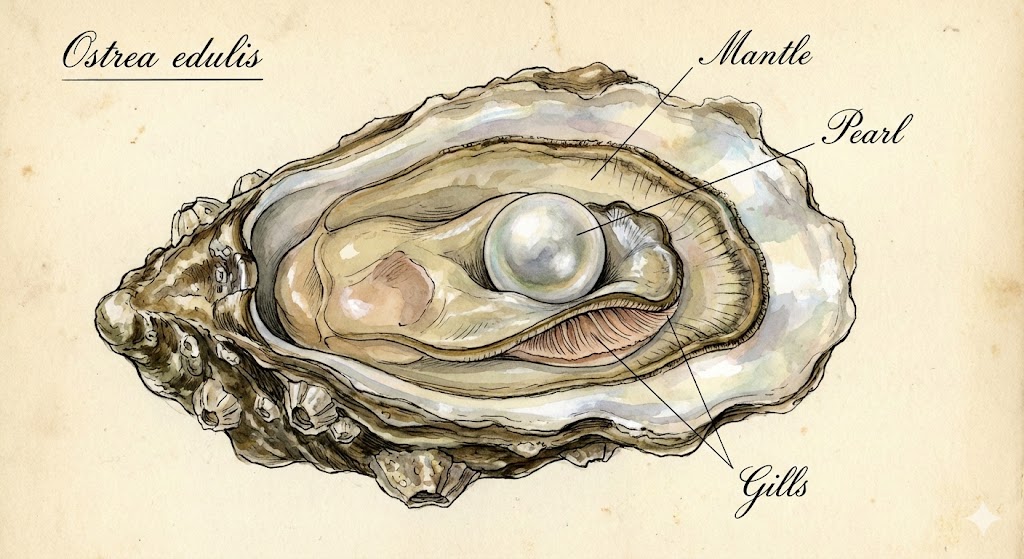

Tagged , , , ,