I’ve been a bit quiet lately, but that’s usually because things have been pretty noisy elsewhere!…
I’ll have plenty to catch you up on in a few weeks.
Right now, triads are at the top of my mind. I’ve realised that to keep growing myself, I’ve got to do it with others. And as luck would have it, I’ve been placed right in the middle of a triad myself. So, is three really a magic number? (I’m thinking yes.)
To this end, I have started working with two other deputy head teachers on a project and as we approach our second session this week, these reflections I offer to you.
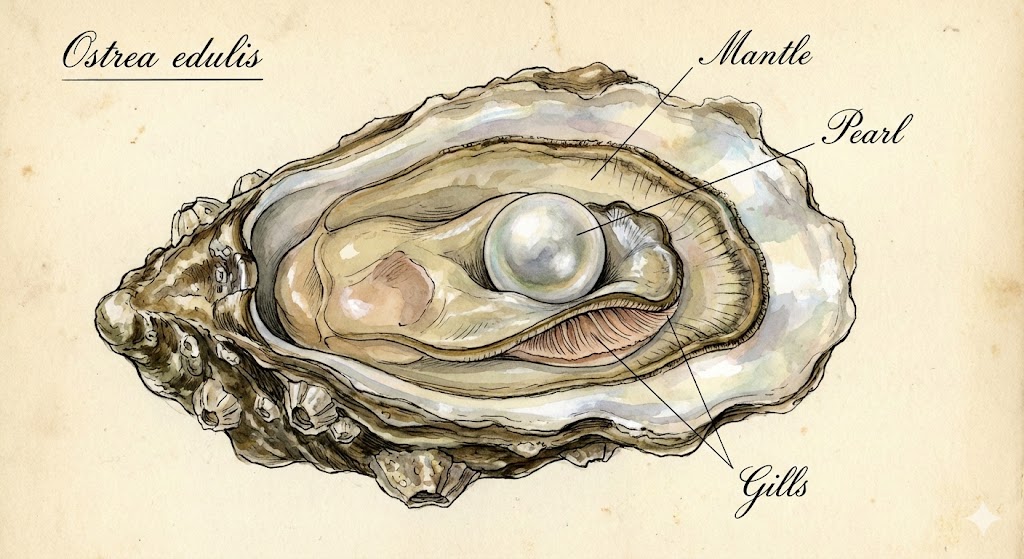
After our first meeting, a few thoughts popped up during my commute. I’m sharing them here just as they came to me—no hidden agendas, just a genuine desire to help everyone get better. That includes my peers, my team, and definitely myself. Reminder to self and reminder to others. The grit in the oyster creates the pearl.
The Big Idea: The Spark of Paradox
In the high-pressure world of schools, it feels like we’re always being told to choose one side or the other. But really, great leadership lives right in the middle, where two totally opposite ideas can both be true. The magic happens in the spark between those two points.
- Discipline is Freedom: When our systems are solid, we actually have more room to be creative and spontaneous.
- Strength is Vulnerability: Being honest about what we don’t know is actually the quickest way to build real trust.
- Tradition is Innovation: Honouring our roots gives us the steady ground we need to take a leap into the future.
Pillar 1: Get Intentional
The Big Swap: From looking busy to making a difference. The Friction: Let’s be real—middle leaders , all leaders, often use busyness as a bit of a shield. If they’re always swamped, they feel like they’re safe from being blamed if things don’t go perfectly.
- The Struggle: It’s hard to let go of those boring admin tasks because they’re easy to measure and make us feel like we’re in control.
- The Paradox: Sometimes you have to slow down to actually get somewhere faster.
- The Strategy: Try a Purpose Audit.
- In Practice: Encourage your middle leaders to take a hard look at their meetings. If a task doesn’t clearly help the kids or make life better for teachers, give them the OK to just scrap it.
- The Goal: Show them that it’s about the impact they make, not just how many hours they put in.
Pillar 2: Shake Off Complacency
The Big Swap: From “this is how we do it” to “how can we do it better?” The Friction: We all love our territory. It feels safe. Middle leaders might stick to the old ways because changing things feels like admitting they weren’t doing it right before.
- The Struggle: It’s easy to get defensive! “We’ve always done it this way” is usually just code for “I’m scared to fail in front of my team.”
- The Paradox: Things are going great, but we’re still not even close to as good as we could be!
- The Strategy: Celebrate Smart Mistakes.
- In Practice: Use data as a flashlight, not a hammer. When a leader tries something new and it doesn’t quite work, celebrate the fact that they tried and look at what you learned.
- The Goal: Move from protecting the win to hunting for the next upgrade.
Pillar 3: Be a Growth Champion
The Big Swap: From checking up to cheering on. The Friction: Middle leaders often feel like they have to be the “Expert-in-Chief.” But if they’re the only ones who know anything, nobody else gets a chance to grow.
- The Struggle: There’s a real fear of being overshadowed by a rising star on the team.
- The Paradox: If you want more time for yourself, you have to give your time away to others.
- The Strategy: Stop being a Judge and start being a Coach.
- In Practice: Forget those scary big reviews. Just keep the feedback moving. Mentor them on micro-skills—just one tiny improvement every week.
- The Goal: Turn every leader into a talent scout who loves seeing their team get better than they are.
Pillar 4: Create Real Connections
The Big Swap: From my department to our community. The Friction: It’s human nature to be a bit tribal. Leaders naturally want to protect their own “patch” rather than looking at the big picture.
- The Struggle: People tend to guard their resources. Sharing ideas can feel like losing your edge.
- The Paradox: Hiding away feels safe, but you can’t keep it up forever without help.
- The Strategy: Use Radical Empathy.
- In Practice: Try Story Circles. Stop talking about schedules for a minute and ask: “Why do you still do this job?” or “What was your biggest struggle this week?”
- The Goal: Use honesty and vulnerability as the glue that brings everyone together. If the three of you lead the way, the rest will follow.
Your Job: Holding the Space
As the senior triad, our main job is to keep that tension alive. When a middle leader comes to you with a problem or a territory dispute, don’t just jump in and fix it for them.
Instead, point out the friction! Remind them that the heat they’re feeling is just the spark of growth. Your job is to make sure that heat doesn’t get out of control but instead lights up the way for everyone else.
 The Authentic Leader